Difference Between Tear-Off And Reroofing

Related Posts

Person wearing blue work glove uses hammer to remove roofing material.
January 29, 2026
At Superior Roofing Company of Georgia, we often speak with homeowners who don’t realize how much clogged gutters can impact the condition of their roof. Gutters may seem like a simple feature, but when they stop draining properly, water can back up onto roofing materials, seep into fascia boards, and create moisture problems that lead to costly repairs. Keeping gutters clear and working correctly is one of the easiest ways to protect your roof and prevent avoidable damage. Why Gutters Play a Major Role in Roof Protection Your gutter system is designed to direct rainwater away from your roofline and foundation. When everything is flowing properly, gutters help prevent: Water pooling along roof edges Wood rot around fascia and soffits Moisture intrusion into attic spaces Mold and mildew growth near the roofline Damage to shingles and underlayment When gutters become blocked, water has nowhere to go—and your roof becomes the first place it causes trouble. How Clogged Gutters Can Damage Roofing Materials We often find that overflowing gutters create roof issues in several ways: Water backs up under the first row of shingles Shingle edges stay wet longer and deteriorate faster Fascia boards absorb moisture and begin to rot Roof decking can weaken over time Heavy water buildup adds stress along the roofline Even if the roof itself is in good shape, drainage problems can shorten its lifespan. Signs Your Gutters May Be Causing Roof Problems Homeowners often call us after noticing symptoms that don’t immediately “look like a gutter issue,” such as: Water dripping behind gutters during rainfall Dark streaks or staining on exterior walls Peeling paint near roof edges Sagging gutters or loose sections Wet spots in the attic near eaves These warning signs often mean water isn’t being carried away properly and could already be affecting your roof structure. Why Georgia Weather Makes Gutter Maintenance More Important In Georgia, gutters can clog quickly due to: Heavy seasonal rainfall Falling leaves and pine needles Storm debris and small branches High humidity that keeps buildup damp and compacted When moisture sits in clogged gutters for too long, it creates the perfect environment for wood rot, mold, and long-term roofline deterioration. Common Gutter Issues We See During Roof Inspections During roof inspections across Georgia communities, we commonly see gutter-related issues like: Packed debris blocking downspouts Improper gutter slope causing water to sit Loose hangers pulling gutters away from fascia Water damage behind gutters that’s hidden from view Overflow marks that indicate repeated drainage problems These issues may start small, but they often lead to larger roofing repairs if ignored. Simple Steps Homeowners Can Take to Prevent Damage A few basic maintenance habits can help protect both your gutters and your roof: Clear out leaves and debris regularly Flush downspouts to make sure water drains fully Check for sagging or loose gutter sections Make sure gutters slope toward the downspouts Consider gutter guards if debris buildup is frequent If the gutter system is already pulling away from the roofline or showing signs of overflow, it’s worth having it evaluated professionally. How Superior Roofing Company of Georgia Can Help Superior Roofing Company of Georgia provides professional roof inspections and repair services for homeowners across Monroe, Atlanta, Covington, Alpharetta, Duluth, Sandy Springs, and surrounding Georgia communities. We inspect roof edges, fascia boards, and drainage systems to identify moisture risks early—then provide honest recommendations to protect your roof and prevent expensive repairs. Our Final Thoughts for Georgia Homeowners Gutter problems are easy to overlook, but they can cause serious roof damage over time. Keeping your gutters clear and draining properly helps protect shingles, wood framing, and attic spaces from moisture-related wear. If you’re seeing overflow, staining, or signs of roofline damage, our team is ready to help. Call 770-279-2621 or visit our contact page to schedule an inspection.
Snow-covered wooden roof against a blue sky. Brown wood and white snow contrast with the bright background.
By James Rosasco January 20, 2026
At Superior Roofing Company of Georgia, we talk with homeowners every winter who are dealing with small roof issues that suddenly feel “bigger” once the temperature drops. Even in Georgia’s milder winters, seasonal rain, wind, and fluctuating temperatures can expose vulnerable areas on your roof—and ignoring them can lead to leaks, interior damage, and costly repairs. Why Winter Roof Maintenance Matters in Georgia Georgia winters aren’t known for heavy snow, but they do bring frequent rainfall, occasional freezes, and strong wind gusts. Those conditions can: Worsen minor shingle damage Create moisture intrusion around flashing and roof penetrations Trigger leaks that show up weeks later Speed up wear on older roofing materials We’ve found that addressing small problems now can prevent emergency repairs later in the season. How Cold Nights and Wet Weather Can Stress Your Roof When temperatures swing between warmer days and cooler nights, roofing components expand and contract. Over time, this movement can loosen: Flashing around chimneys and vents Sealants around pipe boots Shingles near ridges and valleys Add winter rain and humidity into the mix, and moisture can sneak into weak spots and cause damage beneath the surface. Common Roof Problems We Find During Winter Inspections From our experience inspecting Georgia homes, these are some of the most common winter-related issues we see: Missing, lifted, or cracked shingles after windy days Small leaks forming near valleys, skylights, and chimneys Soft decking caused by moisture buildup Clogged gutters leading to water backing up under shingles Damaged flashing around roof edges or penetrations These problems are often easy to fix early—but expensive if they’re allowed to spread. Signs Your Roof May Need Attention Right Now Homeowners often call us after noticing one or more of these warning signs: Water stains on ceilings or walls Damp insulation or musty attic smells Dripping near vents, chimneys, or skylights Shingles scattered in the yard after a storm Gutter overflow during heavy rain If you’re seeing any of these, a professional roof evaluation is the safest next step. Winter Roof Checklist We Recommend for Homeowners A few simple maintenance steps can go a long way this time of year: Check your attic for moisture, staining, or damp insulation Inspect ceilings for discoloration or bubbling paint Clear debris from gutters and downspouts Look for loose shingles or exposed nail heads from the ground Trim back branches that could fall during storms If anything looks questionable, it’s best to have it inspected before conditions worsen. Why Winter is a Smart Time to Fix Small Roof Issues Winter can actually be a great time for preventative roof work because: Small leaks are easier to detect during rainy stretches Repairs help prevent interior damage during the wet season Early fixes reduce the risk of sudden emergency calls You protect insulation performance and indoor comfort In many cases, quick repairs now can save homeowners thousands in avoidable damage later. How Superior Roofing Company of Georgia Can Help Superior Roofing Company of Georgia provides professional roof inspections and repair services for homeowners across Monroe, Atlanta, Covington, Alpharetta, Duluth, Sandy Springs, and surrounding Georgia communities. We take the time to evaluate your roof’s condition, identify winter-related risks, and provide straightforward recommendations that protect your home long-term. Our Final Thoughts for Georgia Homeowners Winter weather may seem mild, but rain, wind, and temperature changes can quietly take a toll on your roof. Staying ahead of small issues now is one of the best ways to prevent leaks, structural damage, and surprise repair costs. If you’re concerned about storm damage, leaks, or winter wear, our team is ready to help. Call us at 770-279-2621 or visit our contact page to schedule your inspection.
Snowy street in Japan with two people in kimonos walking past colorful buildings. Steam rises.
By Superior Roofing Company of Georgia December 15, 2025
Learn how roof ventilation affects energy efficiency in Georgia homes from Superior Roofing Company of Georgia and how we help protect roofs and lower energy costs.

March 04, 2020 | By Superior Roofing Company of Georgia

Replacing your roof is a big decision, but it’s essential if you want to avoid further damage to your house when your roof wears out beyond repair. When it comes to getting a new roof, there are two options homeowners might be able to consider: tear-off and reroofing. Both options aren’t always possible for every roof, so here are some things you need to know about these options for new roofing in Lilburn before you contact a roofing company.


Worn Roof Indications


Before you decide which method of roof replacement is best, it’s important to recognize the signs that you need to replace the roof rather than repairing it. Most roofs only last 15-30 years, so if your roof is between these ages, you’ve probably started noticing other issues. Granules in the rain gutters are a good sign that the shingles are worn out, even if you don’t notice other issues, such as curling, broken, buckling, or missing shingles. More obvious signs are moisture in the attic or leaking from the roof. This can be due to issues with the flashing or venting system in addition to having worn-out shingles.


What’s Reroofing?


Reroofing is a more affordable option than completely replacing your roof, but it can only be done in certain circumstances. The process involves layering a new set of shingles over the shingles already on your roof. The only time this can be done is if your roof currently only has one layer of shingles. That means you can save time and money because there’s no removal of the current roof and no replacement of other materials.


What’s Tear-Off?


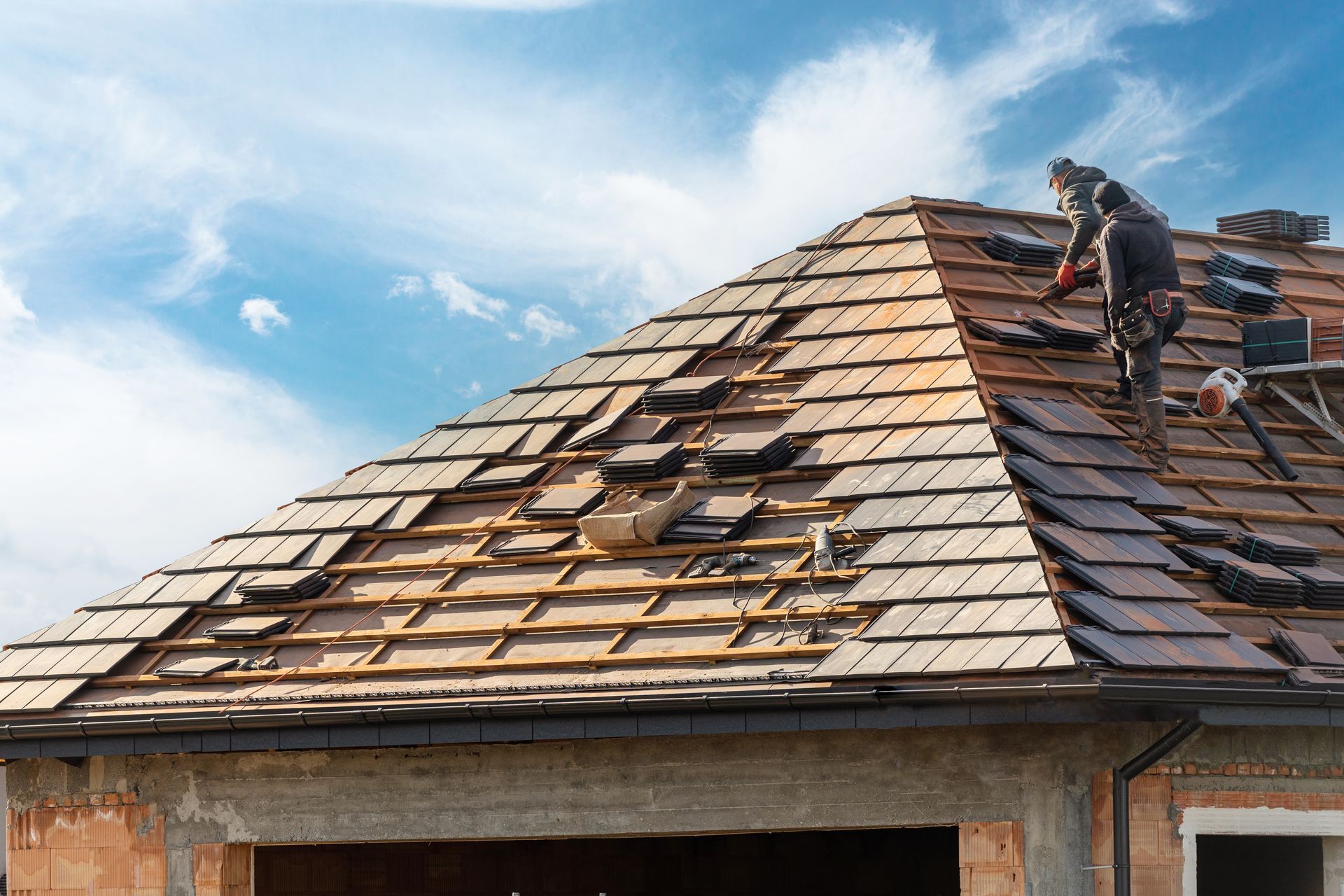
Tear-off is also known as roof replacement. Roof replacement involves the removal of all the roofing materials down to the roof deck. That means that both the shingles and felt paper are removed. It can be done in any circumstance because it doesn’t matter how many layers of shingles there are. This process is more costly than reroofing because it involves more labor to tear off the old roof and apply the new materials.


When to Reroof


As mentioned, a roof can only have another layer of shingles installed when there’s only one layer currently installed. This method of repairing the roof can be a good idea when you have minor damage to numerous shingles but are fairly certain that the underlying layers are still in good condition. As long as there’s no missing shingles or mold or moss growth, you may be able to prolong the time until you need to totally replace the roof. This solution is actually more of a roof repair than a long-term option for a new roof because it’s covering up the existing damage rather than addressing it directly. The biggest benefit of this method is that it’s more affordable and will leave less mess.


When to Replace the Roof


Totally replacing the roof is usually the best option when your roof has worn out enough to need replacing. Most roofs that have reached the end of their life span have major problems, such as missing or soggy shingles. In many cases, water damage has extended below the shingle layer, possibly into the roof deck itself. You’ll also need to totally replace the roof if it already has two layers of shingles, and the roof needs to be replaced. This method is beneficial because it ensures additional damage to roofing materials in Lilburn is identified and addressed. To get a roofing estimate for your home, contact Superior Roofing Company of Georgia today.